Thursday, June 3, 2010

Digital Photography: Great Ways To Live


Candid Street Photography by razuryza

photo credit: here


There are two main categories of digital cameras. The digital single lens reflex, known as the DSLR, and the point-and-shoot digital camera. Both types of digital cameras have advantages over the other. Both types of digital cameras have disadvantages also. Which type should you buy? The answer to that question depends on what you plan to use the camera for.

The main advantage a film single lens reflex camera had over other types of film cameras, was that you saw through the same lens the photo was taken. This allowed you to see nearly exactly what would be in the final picture. In other types of film cameras, you looked through a lens that was separate from the lens film was exposed through. This meant, occasionally, what you thought was in the picture, was not. However, with a digital point-and-shoot camera, you can see the picture on the preview screen and this is nearly exactly what will be recorded by the camera. So in effect, digital point-and-shoot cameras have already gained the one of main advantages that most film single lens reflex cameras had over film point-and-shoot cameras.

One of the primary advantages of the digital point-and-shoot camera, over a digital single lens reflex, is size. You can get digital point-and-shoot cameras in extremely small sizes now. This makes the digital point-and-shoot camera very convenient. It is ideal for taking on vacation when you don't want to carry things around or any other time you don't want to take anything heavy with you. Trust me, I would much rather have had a point-and-shoot digital camera with me, than the DSLR I carried around, last time I went to Disney.

The point-and-shoot camera's advantage in size also becomes one of the disadvantages. Because the cameras are so small, the flash is usually very close to the lens. This causes redeye to be a serious problem with many small point-and-shoot digital cameras.

The primary disadvantage of point-and-shoot digital cameras is something called lag. Lag comes in several varieties in digital point-and-shoot cameras. The first variety that you may notice is that some digital point-and-shoot cameras take a second or two to turn on. This can be a little bit difficult to get used to, since your film camera always seemed to be ready to take a picture. The next version of lag you may notice is on the preview screen. There is a slight delay between what is actually happening and what you see on the screen. There's also some lag between the time you press the shutter button and the time the actual photograph is taken. This can make photographing a child playing soccer or any other sport extremely difficult. The final version of lag makes itself known between shots. After taking many digital photos in quick succession, the camera may need to pause while it processes the images.

Lag in point-and-shoot digital cameras is something the manufacturers are working very hard on. The good news is that, in most current digital point-and-shoot cameras, lag is now reduced significantly. While probably not something you want to use for sports photography, a current, quality, point-and-shoot digital camera acts very similar to a film point-and-shoot camera.

The digital single lens reflex really comes into its own in any type of action photography. The digital single lens reflex has comparatively no lag from the time you press the shutter button and when the photographs are taken. Because the viewfinder is optical, you are actually seeing the present and not the slightly delayed past in a preview screen. This does mean, however, that you cannot compose the picture through the preview screen. There been some attempts to do this in the DSLR by camera manufacturers, but none have proven very successful.

The primary disadvantage of the digital single lens reflex camera is size. While some point-and-shoot cameras are nearly as big, there are no truly compact digital single lens reflex cameras. Not much fun to carry around an amusement park. However, the larger size means those DSLR's that do have a built-in flash, have placed the flash farther from the lens than most point-and-shoot cameras. The disadvantage is, that many digital single lens reflex cameras, particularly professional models, do not have a built-in flash.

The digital single lens reflex is extremely versatile. You can change lenses or add a more powerful flash. Most digital single lens reflexes also allow making manual adjustments much easier than digital point-and-shoot cameras. This is essential to the advanced shooter or professional photographer.

Most digital single lens reflex cameras also have a larger cache, allowing them to shoot many pictures in succession without having to wait to process between shots. Some professional digital single lens reflex cameras are capable of shooting more shots in quick succession than would even fit on a 35mm roll of film.

Finally, the digital single lens reflex has an advantage in image quality. Even when comparing cameras of equal resolution, digital single lens reflex cameras by Canon and Nikon seem to have an improvement in quality over point-and-shoot cameras. This makes the digital single lens reflex the choice for most serious professional photography.

One advantage the point-and-shoot digital camera has over the digital single lens reflex is price. Most of the point-and-shoot cameras are far less expensive than any of the digital single lens reflexes. The Canon Digital Rebel was the first digital single lens reflex under $1000. The battle for the low cost digital single lens reflex camera market still continues between Nikon and Canon, with prices still coming down.

For practical, everyday photography the current digital point-and-shoot camera is more than capable. If you find yourself photographing action or any type of sports photography, using a digital single lens reflex camera is nearly a requirement. If you are looking for the absolute best image quality, again the digital single lens reflex is your choice. If very looking for something small, and easy to carry, a compact point-and-shoot digital camera will make life a lot easier.

There is no perfect digital camera for all purposes just like there is no film camera perfect for all purposes. Ideally you would have a point-and-shoot digital camera for the everyday pictures and a single lens reflex digital camera for the serious work. That's not always possible, so you may need to decide what you plan to use the camera for most, and choose the camera best suited for that purpose.

Digital Photography: Great Ways To Live


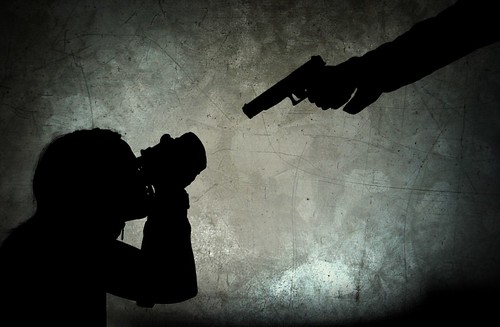
Photography is Not a Crime by Thomas Hawk

photo credit: here


Family and friends can be pretty far flung these days, so how do you keep in touch? Snail mail and phoning are good options, but it's fun to be able to share pictures. With the advent of digital cameras, it's easy to post pictures on a blog or website, or send pictures via email.

Of course, film cameras will work, as you can scan and convert pictures to digital files, but the easiest way to send pictures quickly and cheaply is to use a digital camera.

How To Find What's Best For YOU When Buying A Digital Camera

There are all kinds of digital cameras available these days, so the trick is to find the one that suits your needs and budget. If you are buying your first digital camera, the lingo and technology are a bit different than for film cameras, so before shopping take time to learn a little and figure out what you'd like to buy.

First, what kind of photographer are you? Do you like total control over the picture taking process, or would you rather just aim the camera and push the shutter button? Then it's also helpful to decide what you want to do with your pictures. Do you just want to put them online or send them via email, or do you want to be able to print them, and if so, how large do you want your prints?

If photography isn't your passion, and you just want to have pictures to share, buying a simple point-and-shoot digital camera is probably best. It has automatic settings, so all you have to do is aim the camera, press the shutter and viola! Instant picture!

However, if you prefer more control over the picture taking process, try buying a mid-range digital camera. There is a wide range in both price and features. For the more serious hobby photographer, there are "prosumer" cameras midway between point-and-shoot cameras and digital SLR cameras. They offer better lens quality and usually more features than a point-and-shoot, though those little cameras can come pretty loaded these days!

Digital SLR cameras are top of the line and more expensive. These work more like traditional cameras, having a body with detachable lens. This gives you more options with being able to change lens, but it's also much more expensive. Just one lens can cost as much as a point-and-shoot digital camera! There's also usually a steeper learning curve to figure out how to use all the options on a digital SLR camera.

However, if you're buying your first digital camera, intermediate, "prosumer" and digital SLR cameras probably aren't the best choice. All the settings and features can be a little overwhelming for the beginner, and your expensive camera may end up collecting dust somewhere. Try a low to midrange camera first and get a feel for digital cameras and what features are most important to you. Then when you're ready to move up and buy a Digital SLR, you'll have a better idea of what to look for before you lay out your hard earned cash!

What To Look For When You're Ready To Buy A Digital Camera

You can buy digital cameras in all sorts of places these days, from fancy department stores to discount stores, photography/camera shops and many stores online. While you can sometimes find great deals on-line, if this is your first digital camera, go to shops and look at different cameras if at all possible. It helps to pick it up and get the feel of the camera in your hand to see if it's comfortable and the controls are easy to use, and you can check out what features it has and how they work.

But what exactly are you looking for?

A pixel makes your picture....
One of the first things to check out when buying a digital camera is the MEGAPIXELS. A pixel is a single dot in a graphics image. A megapixel is equivalent to one million pixels. A 1-megapixel camera would produce an image roughly 1200 pixels wide by 900 pixels high, a 3 megapixel would be 2048 x 1536 megapixels, and so on. Higher megapixels mean better resolution, but aren't the whole picture. The main thing to keep in mind is the more megapixels, the bigger image you can print.

Approximate Megapixels vs. Print Size

-2 Megapixels prints well up to 4x6 inches
-3 Megapixels prints well up to 5x7 inches
-4 Megapixels prints well up to 6x8 inches
-6 Megapixels prints well up to 7x10 inches
-8 Megapixels prints well up to 10x14 inches
-12 Megapixels prints well up to 16x24 inches

For email, websites and printing snapshots, a 3 to 5-megapixel camera is a good choice. If you want to make high quality 8x10 prints or larger, you need more megapixels. Higher megapixels also allow you to crop down to a smaller portion of the picture while still retaining sharpness in prints.

One other thing to keep in mind when considering megapixels and resolution, be sure you are getting optical resolution. This is the actual number of megapixels the camera records. Some cameras offer interpolated resolution to get bigger pictures from the same number of megapixels by using software algorithms to determine what color pixels to add, so the picture becomes bigger at the expense of clarity.

Opt for optical...
Digital cameras have two kinds of zoom, optical and digital. In this case, focus on the optical zoom. It's the one that actually uses the lens' optics to bring the subject closer. The higher the number, the further away you can "pull in" your subject. The digital zoom merely takes the original information and makes it bigger, and once again, clarity is sacrificed. Most serious photographers turn off digital zoom. Stick to optical!

For Your Viewing Pleasure...
Digital cameras commonly use an LCD screen instead of a viewfinder to focus on your subject, though some come equipped with both. Check the size of the screen when buying a digital camera to be sure you can comfortably see your subject. It's also really handy to have a flip screen that allows you to hold your camera low or high, and still be able to see what's on the screen.

Fun features...
Many digital cameras offer settings for such things as burst shooting mode, which is handy if you want to take pictures of moving subjects. The camera shoots a series of pictures without pause, then writes the files to memory. Other features allow for manually changing settings, special effects, short digital movie files, using an external flash, and much more. Look over several different cameras, decide what features you just have to have, and which are on the "nice to have but not vital" list. No one camera will do everything well.

Get the Picture...
You've got to get the pictures out of the camera to share them. Usually the files are downloaded to your computer through a USB port, so make sure your computer has one. Also, keep in mind when choosing a camera, the more megapixels, the bigger the files. You've got to store those files somewhere, so how much memory is available on your computer? Does it have a CD burner?

However, you can still buy a digital camera even if you don't have a computer. Many photo labs, even in places like Walmart or Kmart, have machines with the capability of making prints and/or photo CD's from memory cards, and will make a disk of the files, sort of like digital negatives. There's also the option of buying a photo printer with a docking station for your camera. Just plug the camera into the docking station, and bypass the need for a computer to print.

Cash After Camera

When buying your digital camera, keep some cash in reserve, because there are two more important purchases you need to make.

1. Memory - The digital camera's equivalent of film, the amount of memory determines how many pictures you can take. Different cameras use different types of memory, so the first step is to find out what your camera uses. The most popular types are: Secure Digital (SD), CompactFlash (CF), SmartMedia (SM), Memory Stick (MS), MultiMediaCard (MMC), and xD-Picture Card (xD).

Cameras are usually packaged with a small MB-sized card. A second card of 64 MB is good, but of course the more MB and the more cards, the more pictures you can take before having to download and erase the images. The different cards are NOT interchangeable, so be sure to buy the right kind for your camera!

2. Battery - There's nothing more frustrating than being in the middle of snapping pictures and the battery dies. Get extras. It's worth the expense to have a second battery charged and waiting should the one in your camera lose power. The rechargeable ones are more expensive, but the ability to use them over and over makes them worth the initial outlay of cash.

That's The Total Package!

There you have the basics for choosing a digital camera. Decide what kind of pictures you are likely to take, what size prints you want to make, how much zoom, and are there any extras you can't live without? Look for the camera that most closely matches your list in your price range, buy a bigger memory card and an extra battery set, and you're good to go!

Have fun sharing those pictures with friends and family!


Digital Photography: Healthy Eating


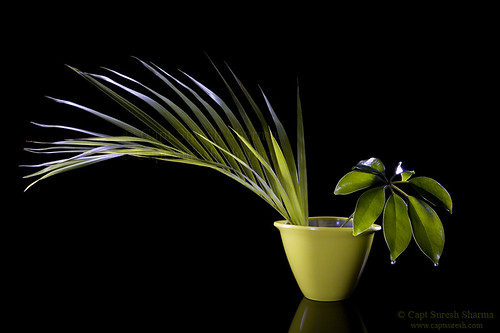
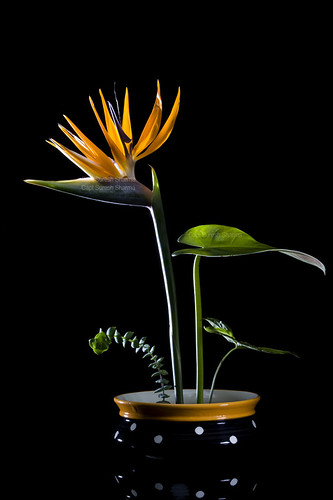
FLOWER PHOTOGRAPHY - some tidbits of it! by Captain Suresh

photo credit: here


The most exciting thing that you face when you go buying the digital camera is that there are so many choices. With so many different features, styles and prices of digital cameras available in the market, the comparisons can actually be mind-boggling.

If you are going to buy a digital camera for yourself, to compare different digital cameras is a must for you. It will make your buying simple as well as less time consuming. If you want to know a few basic guidelines for drawing fair comparisons between a plethora of options available in the market, read the article. It will definitely help you make the best deal for you.

There are many factors that make a particular camera better or worse for you. The pixels, optical, memory, camera size, digital zoom and cost of various digital cameras should be compared well before picking any camera. The important task is to put through a sieve all the hype and get the best digital camera suiting your needs.

But before you start comparing the features of different cameras, it is important for you to make certain basic decisions. They are related to identifying your basic needs and prerequisites for the camera. Decide on why you need a digital camera. The purpose should be well-defined. Ask yourself, is it for taking candid snapshots or for serious photography. If you are buying the camera for clicking pictures for an exhibition or a photo website, the criterion of purchase will definitely change. There are different sizes of models that include compact, miniature and big size cameras. Be clear about the size you need to buy.

Then you may start comparing the specific features of the digital camera. You can compare the quantity and quality of the pixel. The more the pixels in the camera, the clearer and quality pictures it would produce. The pixels are nothing but tiny squares of color and light. Thus to get the best camera, you should have the best pixel quality. The sensor of the camera can be called as its eye. Generally, the digital cameras with larger sensors have better quality diodes, which result in sharp and clear pictures.

You should also compare the digital camera on the grounds of its memory. All the digital photographs require the storage capacity of several megabytes. You should compare the capacity of built-in memory of the digital camera. You should certainly go for the one with more battery capacity. A general guidance principle is to have a battery with at least 256 to 512MB of memory. It is important to check the memory compatibility while comparing the digital cameras.

You can also compare the SLR digital camera with compact digital camera. There are many features that you may find in a compact digital camera but not in the SLR digital camera. It can also be vice versa.

The SLR cameras are big cameras, efficient in producing clear, sharp and quite colourful images. While the compact cameras are very small in size and can be slipped in to your jeans pocket quite comfortably. They may not compete well with the SLR digital cameras when you compare their features. But, their size is the feature, which is the major attraction for purchase to many users. When you would compare the working and results of both of these cameras, you can decide as to which one suits the best to your needs.

There are more features that should be compared before buying a digital camera. Optical zoom is much better than digital zoom. Compare the speed of the shutter, time taken to start up, the level of manual override and how instant is the auto focus of the camera.

Keep these things in your mind before the purchase. I am quite sure that you will make the best-for-you pick, prior comparing various digital options. Happy Shopping, for happy digital Clicking!


Digital Photography: Best Health


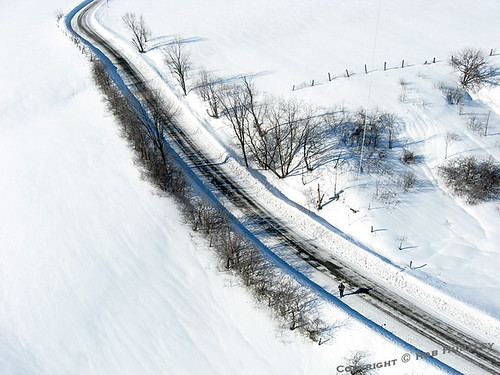
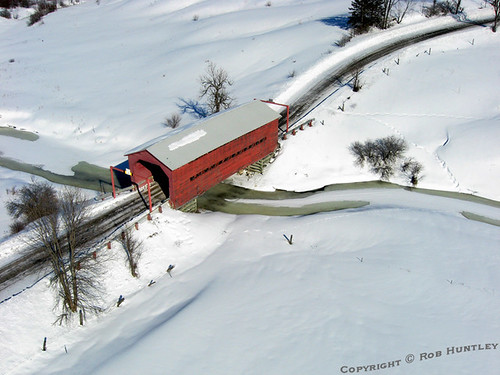
Winter Road near Wakefield Quebec - Kite Aerial Photography, KAP by Rob Huntley

photo credit: here


As a digital camera owner, this scenario likely applies to you. After visiting a digital camera store, talking to friends, reading reviews, or possibly shopping online, at one time you bought what you thought was the perfect digital camera for your needs.

After purchasing this digital camera and using it for a few weeks, you later visited the same store, browsed the same websites, or scanned through the latest issues of those same magazines, and guess what? A newer, 'better', faster, and cheaper digital camera is now available, making your current camera seem 'uncool', agonizingly slow, and obsolete. I can definitely say the above scenario has happened to me - way too often. I've purchased five digital cameras in the last few years and have friends who have been through many more. Instead of continually burning holes in your wallet, how can you purchase a digital camera that will continue to stay cutting-edge for years to come?

Welcome to the sad truth - obsolescence is inevitable with digital cameras, just as it is with cell phones, computers, television sets, or other electronics. No matter how much time you take researching digital cameras, no matter how much money you spend, sooner or later a new model will be released, making you rue the day you purchased your 'old' camera. You may be thinking, "I'm ready to purchase a new digital camera. Should I spend the money now and buy a camera, or wait a few months until something better comes along? The one I am interested in buying might become obsolete soon."

My advice: unless you are still very happy with your current digital camera and absolutely know a specific new digital camera model will soon be available, go ahead and purchase the best camera you can find. When I mean "best", I don't mean the most expensive, or even the digital camera with the most "bells and whistles". I mean the camera with the best combination of features and value for your budget. Life is short - really short. You could wait, watching the releases of camera after camera, and think, "I'm smart. I'm going to wait until a better digital camera exists." While you may technically save money in the long run, there are larger costs you're enduring - the opportunity and enjoyment costs of not having the right equipment for your needs during the time waited.

If you always wait for the newest crop of digital cameras to be released, you could very well wait forever. Digital cameras continue to advance in technology with no end in sight.

* Megapixels: I remember when one megapixel cameras were all the rage. Now twelve+ megapixels is not uncommon, and if you read this article years from now, who knows what will be the norm.

* Focal length: My first camera had no zoom at all. My old prosumer camera has 7x optical zoom, I have a digital SLR with a 28mm - 300mm zoom lens, and other cameras and lenses on the market have even greater focal distances.

* Speed: Expect continual increases in shutter speeds, plus decreasing startup and memory writing times. And if you own a digital SLR, newer and faster lenses will be released to market.

* Image Quality: New lenses and image sensors will continue to produce clearer, more exact replicas of your subjects in digital form.

* Battery length: Think your digital camera can't last but a few dozen or hundred photos before switching batteries? Even that will change.

You could constantly worry about obsolescence, or you have a couple of other options:

* Plunk down more money and purchase a digital SLR camera instead of a prosumer or compact camera. Unless you are familiar with dSLRs, you may have to spend some time familiarizing yourself with controls and techniques, but these cameras have several advantages. Digital SLRs may have quicker start-up and media write times. Since dSLR lenses can be changed, you can acquire different zoom distances and quicker exposures without buying a new camera body. And if later you do purchase a new camera body, if you purchase the same brand of camera you may be able to reuse your current lenses.

* Are you sure you have read your manual and taken full advantage of your current digital camera? Have you learned about adjusting shutter speeds and ISO sensitivity to take faster exposures, white balance settings to make photos seem truer to life, and bracketing so you can better experiment with all of these features?

* As New Yorkers are prone to say, "Fugitaboutit"! Great photography requires more than just great equipment, and great pictures can be made without top-of-the-line electronics. Remember that even with a first-class digital camera, if your composition is boring and your lighting dull, the results will prove likewise.

An ancient proverb states that "the only thing constant is change". Such is true with the development of digital cameras. Don't let life pass you buy while waiting for the perfect digital camera that will never become obsolete. That day may not occur, at least in our lifetimes. If you're in the market for a digital camera, buy the best one available for you, enjoy shooting photos, and don't always be concerned about newly available 'better' digital cameras. Eventually you may upgrade (again), but for the time being, just relax, enjoy your hobby, and get everything you can out of your camera.


Digital Photography: Healthy Wealth


Theme: Superheroes Fashion Photography Narrative Based On The Characters Superman/Supergirl (Final Image 2) by Daniel James Underwood.

photo credit: here


Since its invention over a hundred years ago, photography has totally transformed how we perceive our world. It wouldn't be an exaggeration to say that the camera is one of the most important inventions in all human history. Photography has made it possible for humans to "see" objects that are actually thousands of kilometers away.

At their most basic level, Cameras, both the Single Lens Reflex Camera and Digital Camera simply involve using a curved piece of glass or plastic (lens) to conduct a beam of light bouncing off an object, and to redirect this light in such a way that a real image is formed-an image that looks exactly like the object in front of the lens. The only difference between manual or conventional film cameras and digital cameras lies in how these basic processes are accomplished.

In film cameras, after the lens has formed an image of the object, the image is then focused on and recorded by a chemically-coated piece of plastic, the film. Then the film is chemically processed, after which the image is printed onto a photographic paper, and then we have pictures that can then be stored in our photo album or distributed to friends as desired. But digital cameras take a shorter route to achieve the same result stated above.

How Digital Cameras Work

Digital cameras are a part of a larger breakthrough that we've witnessed in consumer electronics over the past twenty years-the wholesale conversion of analog information into digital information. When we really get down to it, CDs, HDTV, DVDs, MP3s, DVR, etc are all built around the principle of converting fluctuating waves into bits of ones and zeros. Conventional cameras depend fully on chemical and mechanical processes-you can actually operate them without electricity! But the digital camera presents a paradigm shift here: it has a built-in computer that records images electronically, and must thus be powered by electricity.

Just like manual cameras, digital cameras also use the lens-actually series of lenses-to focus the light from an object to form an image. But unlike the manual camera, the image formed by the lens in a digital camera is not focused onto a piece of film to be recorded. Instead, the image is focused onto a semiconductor device that is capable of recording light electronically. A computer is then used to break down this electronically-recorded information into digital bits of data. Let's now take a closer look into the inner workings of a digital camera.

The Technology

Included in a digital camera's built-in computer is a sensor that converts light into electrons, or electrical charges. Depending on the camera's manufacturer, this image sensor may be either a Charge Coupled Device, (CCD), or Complementary Metal Oxide Semiconductor (CMOS). To be honest, notable differences exist between these two types of sensors (i.e. CCD and CMOS). But they perform the same basic function in a digital camera-converting light into electricity. Hence, for the purpose of understanding how a digital camera works, we're going to think of them as identical devices.

And somewhat like the film cameras, a digital camera also has to control the amount of light that reaches the sensor. Yes, it also makes use of the Aperture and Shutter Speed. But these are mostly automatic and can be reset electronically. Now, a digital image is just a long string of 0s and 1s. It is the sensor that reads and interprets the values of these digits as contained in the cells of each recorded image.

Next, another device known as Analog -to-Digital Converter (ADC) turns each recorded pattern of light (pixel values) into digital value by measuring the amount of charge at each cell, and converting that measurement to binary form. Remember we stated earlier that every digital camera has an in-built computer? Now, a processor therein interpolates the data from the different pixels to form natural color. For the majority of digital cameras equipped with LCDs, it is possible at this stage to see the image that has just been photographed before deciding to print it.

At this stage the information is stored in some form of memory within the camera-all digital cameras are equipped with a number of storage systems, most of it removable storage devices. We can consider these as forms of reusable, digital films. And because pictures take up lots of storage space, most digital cameras use some sort of data compression to make the files smaller. A card reader can then be used to transfer the information stored therein (i.e. photographic images) to a computer for further usage.

The processes described above sure sound complicated, right? Don't worry. In practice, it all happens so effortlessly that we barely take note of anything while using a digital camera-which is what makes it fun to use: the ease and the speed. Imagine that you want to e-mail a picture to a friend. With conventional cameras, you'll first have to capture the image, process the film, print the picture, and then use a scanner to capture the picture again and record it as pixel values for onward e-mailing to your loved one. But with a digital camera, the picture is automatically broken down and recorded as pixels ready for e-mailing. That's the fun. Plus, you also get to view the image, live, before setting to print!

Thus, despite the comparatively better quality of film pictures, digital cameras will continue to get more and more popular. Also, as digital imaging technology continues to improve in leaps and bounds, it'd be interesting to see what becomes of the conventional film camera.

Author: Kenneth Agwu


Digital Photography: Best Life


My New iMac Photography Workspace! by Yves Janse

photo credit: here


Digital Camera Basics... The Vocabulary

Shopping for a digital camera can be a difficult task considering the sheer number of choices out there. The number of manufacturers, models, and price ranges that need to be sorted out make the process difficult enough, but throw in all the buzz-words that need to be understood, and even a short list of cameras can become difficult to analyze.

This Tech Tip will take a look at a few key words that may come up when researching a digital camera, and will hopefully reduce the headaches associated with the process.

Pixels

Digital images are composed of thousands or millions of tiny squares called picture elements, or pixels for short. Each square has its own color assigned to it, and the compilation of all of these little colored squares allows for images to appear smooth when viewed at original size. If an image is magnified several times, the appearance of the pixels can become more obvious, and at high magnifications each colored pixel can be distinguished individually.

Megapixels

Basically, the term megapixel means one million pixels, and it is used to describe the maximum number of pixels found in an image produced by a digital camera. It is generally the criteria used to classify cameras, and checking the Geeks.com selection (http://www.geeks.com/products.asp?cat=CAM) shows that their cameras are all sorted into ranges of megapixels (MP).

Many people assume that because cameras are marketed so heavily by their megapixel specification, that this is the single most important criteria when choosing a camera. More megapixels do not necessarily equal better images, they mean larger images (both in physical size and in file size).

The megapixel count is achieved by multiplying the number of pixels in one horizontal line by the number of pixels in one vertical line. So, if a camera can produce images at a maximum resolution of 1600 by 1200 pixels, it is a 1.92 megapixel (1,920,000 pixel) camera.

It is not fair to assume that the images from the 5.0 MP Kodax CX7525 are automatically better than those from the 4.0 MP Kodak CX7430 strictly based on their megapixel count. All it means is that the maximum image size of the CX7525 is 2560 x 1920 and the maximum image size of the LS743 is 2408 x 1758. Many other features in the cameras can impact the quality of the images they produce, and may be far more important for the typical user to consider than the maximum overall size of each image.

Larger image size may do nothing for a user who only wants to view images on his computer screen, or for use on the web, but the higher megapixel images are important for those looking to make prints of their images. Generally, higher pixel counts in an image translate to the ability to create larger prints.

Sensors - CMOS and CCD

Digital cameras use a small sensor to capture the image before transferring it to flash memory for storage. Equivalent to a negative in a film camera, these sensors come in a variety of sizes, with most being between 20 and 40 millimeters squared. There are two types of sensors that may be found in cameras: CCD (Charged Couple Device) and CMOS (Complementary Metal Oxide Semiconductor). CMOS sensors are usually found in cheaper cameras and offer lower image quality than a CCD sensor that would probably be found in a more expensive camera.

There is an exception to the rule that CCD is better than CMOS, and that is with the Digital SLR-type (Single Lens Reflex) cameras. They use a much larger sensor (greater than 300 millimeters squared) and can provide excellent image quality, but the quality does come with a much higher price tag.

Zoom - Optical and Digital

Most digital cameras offer some sort of zoom, but it is important to identify which type is being provided. Optical zoom functions just as on a film camera, where the lens physically moves to produce the magnification. Digital zoom uses circuitry to enlarge a portion of the standard sized image and crops the content outside of the zoomed area. The quality of images produced using digital zoom suffer due to the nature of the process, and optical zoom is a far more desirable feature.

The price of a camera with optical zoom may be a good deal more than one with digital zoom, but the quality of the images cannot be compared. The Kodak CX7330 and the Kodak CX7300 are comparable cameras in many regards, but the CX7300 features only digital zoom, while the CX7330 features both optical and digital zoom for about $30 more.

Memory - Digital Film

The two important things to consider when choosing flash memory for a digital camera is that the right format is chosen, and that a quality module is chosen that can record quickly and be ready for the next picture as soon as possible. A photographer looking to snap a rapid series of high resolution images on their Kodak DX7440 has many options in SD (secure digital) memory to choose from but, they would be far better off with something like the SanDisk Ultra II SD card capable of a sustained write speed of 9 MB/s, than with a generic SD card capable of a burst speed rated at only 2.5MB/s.

Aliasing

Even if you think you know the basic definition of this term, it may seem confusing in the context of digital cameras. Aliasing refers to the appearance of jagged edges generally seen on diagonal or curved surfaces in images. This effect is caused by the fact that all pixels are square, and that even non-square shapes in an image need to be created with square components.

The solution to aliasing is not surprisingly called "anti-aliasing." Through software, the edges generally affected by aliasing are blended and the jagged appearance can be made much smoother. Video game enthusiasts may be familiar with anti-aliasing and the impact the varying levels of it can have on the overall performance of game play. Although the technology is similar, the personal importance of having the best digital images possible makes applying anti-aliasing just about a no-brainer.

Aspect Ratio

Aspect ratio describes the shape of a digital image, or any image for that matter, where the first number represents the width of the image and the second number represents the height. People may be familiar with the term as applied to televisions (as 16:9 wide screen televisions are now all the rage to replace traditional 4:3 units), and the concept is the same here.

Standard film cameras generally use an aspect ratio of 3:2, but most digital cameras have adopted a 4:3 aspect ratio so that images better fit on a standard computer monitor. Monitors with typical resolutions of 800x600, 1024x768, or 1280x960, for example, all have an aspect ratio of 4:3, so it only makes sense to produce images that will fit well on these screens. Although images can be manipulated to print on any size paper, special photo-quality paper is available to allow for high-quality prints to be made at the correct aspect ratio.

Connectivity

The pictures taken by a digital camera have to be extracted by some means in order to get them onto a computer, or perhaps directly onto a printer. In general, cameras provide a cable to connect to a computer either via serial, USB, USB 2.0, or Firewire.

Serial ports are just about extinct at this point due to their slow connection speeds and lack of plug-and-play support, but some older or lower-end models may still offer serial connectivity.

USB may be the most common form of connectivity, and if speed is important to you, look specifically for USB 2.0 support, as it is up to 40 times faster.

Some specialized cameras may take advantage of the high speed Firewire protocol for connecting to a computer. Just about all modern computers come with at least a pair of USB ports, but not all computers include Firewire. Firewire capabilities can be added to any computer with an available PCI slot by using an expansion card such as this one.

Some cameras don't require any cables at all, as they can transmit the images to a PC wirelessly. The Concord EyeQ is such a camera that utilizes Bluetooth technology in lieu of wires.

Even with all the modes of transmitting images listed so far, one other method may serve as a universal replacement for all of them. Many people find flash memory card readers to be a quick and convenient alternative to using the camera's native means of connecting. You simply remove the memory from the slot on the camera and pop it into the appropriate slot on the reader, and then the computer system can access the card like a local disk drive.

Final Words

Every high-tech field has its own set of specific buzz words, and digital photography is no different. Although by no means an exhaustive resource of digital photography terminology, this Tech Tip provides insight to a few key terms worth knowing in order to make shopping for a digital camera just a bit easier.


Digital Photography: Best Health


FLOWER PHOTOGRAPHY - some tidbits of it! by Captain Suresh

photo credit: here


Digital Photography: Best Health


Spotlight Ù  Photography by A.A.A

photo credit: here


Digital Photography: Best Life


My Flash Photography – Credit Goes to … by Captain Suresh

photo credit: here


Digital Photography: Best Life


Hummingbird high speed flash photography by RichardDumoulin

photo credit: here


Digital Photography: Great Life


Evening Glow - Blue Ridge Parkway Photography by Dave Allen Photography

photo credit: here


Digital Photography: Best Life


International Photography Awards (IPA) 2007 Honorable Mention for "Sutil Contraste" by Zydeko

photo credit: here


Digital Photography: Best Health


Photography is not a crime by photographer padawan *(xava du)

photo credit: here


Digital Photography: Best Health


Theme: Superheroes Fashion Photography Narrative Based On The Characters Superman/Supergirl (Final Image 6) by Daniel James Underwood.

photo credit: here


Digital Photography: Best Life


Photography by Claudia1967

photo credit: here


Digital Photography: Best Life


Photography is not a crime by photographer padawan *(xava du)

photo credit: here


Digital Photography: Healthy Eating


Wedding Photography, weddings, bride, groom, "B&W wedding photography" by smoothdude

photo credit: here


Digital Photography: Healthy Wealth


Theme: Superheroes Fashion Photography Narrative Based On The Characters Superman/Supergirl (Final Image 2) by Daniel James Underwood.

photo credit: here


Digital Photography: Great Living


Theme: Superheroes Fashion Photography Narrative Based On The Characters Superman/Supergirl (Final Image 6) by Daniel James Underwood.

photo credit: here


Digital Photography: Best Life


365 - 171 - Photography week - day 6 - photography on the brain by the brownhorse

photo credit: here


Digital Photography: Great Living


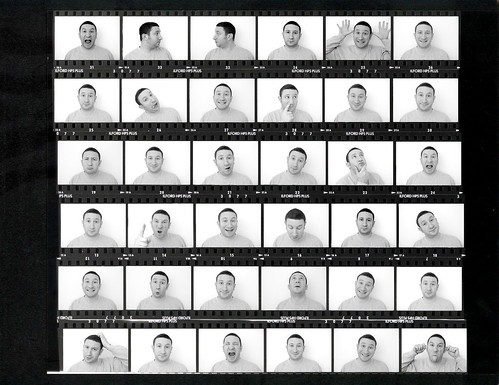
365 - 166 - photography week - day 1 - contact sheet by the brownhorse

photo credit: here


Digital Photography: Best Life


Winter Road near Wakefield Quebec - Kite Aerial Photography, KAP by Rob Huntley

photo credit: here


Digital Photography: Great Life


Tinted black and white urban street photography by Cuba Gallery - www.cubagallery.co.nz

photo credit: here


Digital Photography: Healthy Wealth


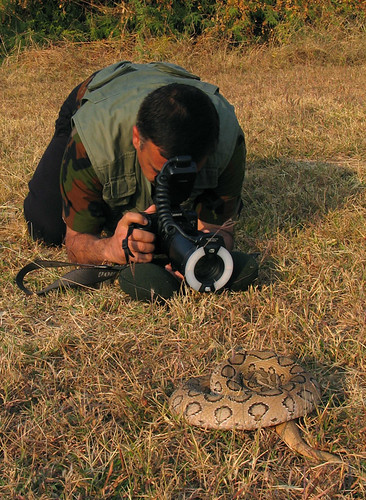
Myself - Snake Photography Session with Russell's Viper by Captain Suresh

photo credit: here


Digital Photography: Great Living


Winter Road near Wakefield Quebec - Kite Aerial Photography, KAP by Rob Huntley

photo credit: here


Digital Photography: Healthy Life


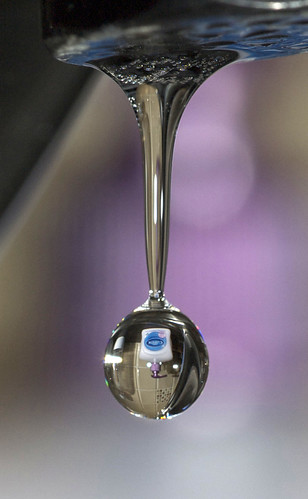
Macro Water Drop - Macro Photography by Glenn Scott

photo credit: here


Digital Cameras have become a common site wherever you go. If you're getting ready to purchase your first digital camera, or maybe you're looking to replace one you already have, it is best to familiarize yourself with the knowledge of what makes one digital camera different from another and choose the one that is right for you. In this article we'll cover one of the most significant factors in picture quality. This is the "digital film."

Just like with a film camera, the digital camera has a lens which brings light into focus on a bed of light sensitive material. In the digital camera, that light sensitive material is a circuit bed called a "CCD." The CCD plays the same role as film in a film camera and the lens allows light to fall onto the CCD which is then converted into a digital image. The quality of the lens can make a significant difference in the clarity of that image. Very cheap digital cameras may even use a piece of plastic as the lens, which will usually have an uneven surface and light transmission. This will be noticeable in the picture but may not be an issue for a security camera or a web cam. Better quality digital cameras will have ground-glass lens and high-end digital cameras will even have interchangeable lenses as do high-end film cameras. The lens still plays the important role of bringing light clearly to the CCD surface for a distortion free picture.

A CCD also provides an interesting advantage to the digital camera. It is possible to automatically adjust light sensitivity to improve contrast, shoot in dim light, or even take black and white, sepia or infrared and ultraviolet light pictures with the touch of a button. Because any of these images are stored as the same data on the memory card, a digital camera can offer unsurpassed versatility without the need to change film types. Not all digital cameras have these features built in, but they are options you may see in some cameras. While the possibilities are cool, ask yourself if you that is a feature you need in a digital camera.

With digital cameras, CCD is a grid of light sensitive points which capture the image for conversion into a digital image. The number of points on the CCD is measured in terms of "mega pixels." The mega pixel rating is a completely new bit of terminology and is unique to the digital camera. The mega pixel rating is a measure of the resolution of the camera, or its ability to store details of am image. For example, a digital camera with a maximum resolution of 1280 by 768 pixels (dots) comes out to a total of 983,040 pixels with which to describe the digital image. As each mega pixel represents one million pixels, we can see this isn't even one mega pixel. Some digital cameras have mega pixel ratings at 5.1 and even 7.1 mega pixels. What does this mean to you? The more pixels the more detail stored. If the image is going to be viewed on a screen or a TV, this isn't very meaningful because video displays have resolutions which are usually well below one mega pixel. However, when printing on a high quality photo printer, the difference between a 3 mega pixel digital camera and a 5 mega pixel digital camera can be very obvious.

Some people will try to evaluate a mega pixel rating by how large a print can be made from the digital camera's image. The truth is that any digital image can be printed to any size. The real issue is what it looks like. Most people print their film to 4x6 prints and many are now doing the same with their digital cameras. Ask to see printed samples of pictures which are like the type you would normally take and compare the same prints between different cameras. Many stores will try to dazzle you with colorful still life images of piles of multi-colored fruits and hot air balloons. Do you take pictures like that? Probably not, so perhaps they're not the best images to be scrutinizing. If you take pictures of friends standing around, use each camera to take pictures of people standing around. Then use a demonstration printer at the store to make prints and look at the results. Do you see little dots in the middle of solid colors? Does the image look like it was taken with a poor quality film camera? Don't seek out the digital camera that happens to take perfect pictures in a perfect setting, contrived by the marketing department of the digital camera's manufacturer. Look for the digital camera that takes pictures you like in the settings in which you most commonly find yourself.

Another issue to consider is that some digital cameras are designed for "point and click" use while other cameras are designed with lots of settings which must be manipulated for optimal results. In my personal experience, I have found that Kodak makes digital cameras which are ideally suited for simple "point and click" use and consistently take great looking pictures in a wide variety of settings. I have also personally found that digital cameras from Nikon work best when you set them to "manual" and do not rely on the automatic settings. This seems to be true of their film cameras as well. Does this make one digital camera better than another? Only if one fits your needs and skills, and the other does not.

There are many magazines available on digital cameras today. Most recognize these differences in digital camera quality, based on needs and intended use of the owner. Before buying your new digital camera, pick up a few of these magazines and familiarize yourself with the latest reviews. Remember that the pros and cons are still written "through the lens" of the reviewer. If you see a negative about a digital camera that you otherwise like, ask yourself if that negative is meaningful to your needs. Next ask yourself if that negative might be meaningful to your needs as you become more experienced. If the answer is yes, ask yourself if you would still be using that camera as a more experienced photographer in the future or would you perhaps sell it and buy an entirely new digital camera? It's unlikely that the digital camera you buy today is going to be the only one you'll ever have. Buy the digital camera that most reasonably meets your needs and how you normally plan to take pictures.

Memory cards and battery life are also consideration factors which will be covered in other articles. For now, I hope this information has taught you more about the workings of a digital camera and some of the factors to consider when choosing one. Take your time and learn a bit about digital cameras before your purchase. Sure, it's not like buying a car, but photography is a very personal experience and the right digital camera will truly make a difference in your enjoyment of capturing the moment with digital photography.


Digital Photography: Best Life


Popular Photography by ' Toshio '

photo credit: here


Restoring the rare moment of one's life is the most beautiful and expensive possession. The memories of childhood, the convocation ceremony in the college and the lonely walk at old age are the special moments for everyone. All these moments can be captured with a simple click of soft button and can be stored for life-long memory.

A digital camera captures video or still photographs digitally by recording images on a light-sensitive sensor. There are also many digital camera which can record sound and movingof digital camera. With the captured images manipulation can be done through digital videos as well as still photographs. Restoring the photographs is one of the prime functions cameras, it has all the features for making changes to photographs.

Digital cameras are becoming smaller day by day and the features are also increasing in it. The choice of digital camera depends with the requirement of the user. There are various category of digital cameras like the compact digital cameras, ultra compacts, bridge cameras, digital single lens reflex cameras, line-scan camera, compact digital SLRs and digital SLRs.

This days digital cameras are used in many devices from mobile phones to personal digital assistants and vehicles. The Hubble space telescope and other astronomical devices are having specialised digital cameras. There are high-tech digital cameras available in the market with which one can take underwater photographs. The underwater digital cameras are very useful in capturing sealife, scuba diving and something artistic under the sea.

Taking some underwater pictures is everyone's dream and while exploring the deep sea, one can take photographs and can save magical memories that can be relived until the next undersea adventure. These photographs about looking into the eyes of rarely seen creatures can be permanent recorded from the underwater digital cameras. There are various underwater digital cameras namely sea and sea DX-1G compact digital 10.0 MP camera, Intova IC-700 7.0 MP digital camera with underwater housing, Sealife SL 320 Reef master mini underwater digital camera, VuPoint DC-WPC-ST531TBLK-VP underwater digital camera and many more.

The most important accessory of a digital camera is the memory card. It is used to store the pictures taken on digital cameras. The memory card in the digital camera can be equated with hard disks in computers. The memory card varies in capacity and the additional memory cards are generally either 128 MB or 265 MB. Memory Stick, Compact Flash and Smart Media, etc. are all different type of memory cards. The use memory card is dependent on the users camera type, the memory card can be re-used, once saving the required photographs on the computer, or copying them on a CDs etc. The most commonly used card in digital cameras is the 16 MB cards, and most of the digital cameras make use of removable storage memory for the purpose of recording images.

There are also cheap digital cameras available in the market; these camera are very handy and useful for all purpose. The cheap digital cameras is equipped with all the high-technology features and are very result oriented. The presence of this type of camera can be felt in the market, where it has a good share in the revenue. Many renowned companies are coming up with cheap digital cameras to cater the demand of the customers and to capture the market. This cheap digital cameras are second to none in terms of quality and durability as compare to any digital camera available in the market.

The demand for digital cameras are increasing with each passing day with some brilliant and high-tech digital camera in the market. The manufacturers are catering to the demand with all new features added everyday in the cameras.


Digital Photography: Healthy Wealth


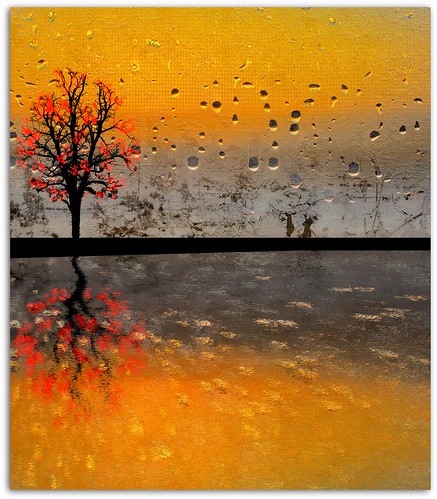
art and photography by Aveen L♥ve

photo credit: here


Digital Camera Basics... The Vocabulary

Shopping for a digital camera can be a difficult task considering the sheer number of choices out there. The number of manufacturers, models, and price ranges that need to be sorted out make the process difficult enough, but throw in all the buzz-words that need to be understood, and even a short list of cameras can become difficult to analyze.

This Tech Tip will take a look at a few key words that may come up when researching a digital camera, and will hopefully reduce the headaches associated with the process.

Pixels

Digital images are composed of thousands or millions of tiny squares called picture elements, or pixels for short. Each square has its own color assigned to it, and the compilation of all of these little colored squares allows for images to appear smooth when viewed at original size. If an image is magnified several times, the appearance of the pixels can become more obvious, and at high magnifications each colored pixel can be distinguished individually.

Megapixels

Basically, the term megapixel means one million pixels, and it is used to describe the maximum number of pixels found in an image produced by a digital camera. It is generally the criteria used to classify cameras, and checking the Geeks.com selection (http://www.geeks.com/products.asp?cat=CAM) shows that their cameras are all sorted into ranges of megapixels (MP).

Many people assume that because cameras are marketed so heavily by their megapixel specification, that this is the single most important criteria when choosing a camera. More megapixels do not necessarily equal better images, they mean larger images (both in physical size and in file size).

The megapixel count is achieved by multiplying the number of pixels in one horizontal line by the number of pixels in one vertical line. So, if a camera can produce images at a maximum resolution of 1600 by 1200 pixels, it is a 1.92 megapixel (1,920,000 pixel) camera.

It is not fair to assume that the images from the 5.0 MP Kodax CX7525 are automatically better than those from the 4.0 MP Kodak CX7430 strictly based on their megapixel count. All it means is that the maximum image size of the CX7525 is 2560 x 1920 and the maximum image size of the LS743 is 2408 x 1758. Many other features in the cameras can impact the quality of the images they produce, and may be far more important for the typical user to consider than the maximum overall size of each image.

Larger image size may do nothing for a user who only wants to view images on his computer screen, or for use on the web, but the higher megapixel images are important for those looking to make prints of their images. Generally, higher pixel counts in an image translate to the ability to create larger prints.

Sensors - CMOS and CCD

Digital cameras use a small sensor to capture the image before transferring it to flash memory for storage. Equivalent to a negative in a film camera, these sensors come in a variety of sizes, with most being between 20 and 40 millimeters squared. There are two types of sensors that may be found in cameras: CCD (Charged Couple Device) and CMOS (Complementary Metal Oxide Semiconductor). CMOS sensors are usually found in cheaper cameras and offer lower image quality than a CCD sensor that would probably be found in a more expensive camera.

There is an exception to the rule that CCD is better than CMOS, and that is with the Digital SLR-type (Single Lens Reflex) cameras. They use a much larger sensor (greater than 300 millimeters squared) and can provide excellent image quality, but the quality does come with a much higher price tag.

Zoom - Optical and Digital

Most digital cameras offer some sort of zoom, but it is important to identify which type is being provided. Optical zoom functions just as on a film camera, where the lens physically moves to produce the magnification. Digital zoom uses circuitry to enlarge a portion of the standard sized image and crops the content outside of the zoomed area. The quality of images produced using digital zoom suffer due to the nature of the process, and optical zoom is a far more desirable feature.

The price of a camera with optical zoom may be a good deal more than one with digital zoom, but the quality of the images cannot be compared. The Kodak CX7330 and the Kodak CX7300 are comparable cameras in many regards, but the CX7300 features only digital zoom, while the CX7330 features both optical and digital zoom for about $30 more.

Memory - Digital Film

The two important things to consider when choosing flash memory for a digital camera is that the right format is chosen, and that a quality module is chosen that can record quickly and be ready for the next picture as soon as possible. A photographer looking to snap a rapid series of high resolution images on their Kodak DX7440 has many options in SD (secure digital) memory to choose from but, they would be far better off with something like the SanDisk Ultra II SD card capable of a sustained write speed of 9 MB/s, than with a generic SD card capable of a burst speed rated at only 2.5MB/s.

Aliasing

Even if you think you know the basic definition of this term, it may seem confusing in the context of digital cameras. Aliasing refers to the appearance of jagged edges generally seen on diagonal or curved surfaces in images. This effect is caused by the fact that all pixels are square, and that even non-square shapes in an image need to be created with square components.

The solution to aliasing is not surprisingly called "anti-aliasing." Through software, the edges generally affected by aliasing are blended and the jagged appearance can be made much smoother. Video game enthusiasts may be familiar with anti-aliasing and the impact the varying levels of it can have on the overall performance of game play. Although the technology is similar, the personal importance of having the best digital images possible makes applying anti-aliasing just about a no-brainer.

Aspect Ratio

Aspect ratio describes the shape of a digital image, or any image for that matter, where the first number represents the width of the image and the second number represents the height. People may be familiar with the term as applied to televisions (as 16:9 wide screen televisions are now all the rage to replace traditional 4:3 units), and the concept is the same here.

Standard film cameras generally use an aspect ratio of 3:2, but most digital cameras have adopted a 4:3 aspect ratio so that images better fit on a standard computer monitor. Monitors with typical resolutions of 800x600, 1024x768, or 1280x960, for example, all have an aspect ratio of 4:3, so it only makes sense to produce images that will fit well on these screens. Although images can be manipulated to print on any size paper, special photo-quality paper is available to allow for high-quality prints to be made at the correct aspect ratio.

Connectivity

The pictures taken by a digital camera have to be extracted by some means in order to get them onto a computer, or perhaps directly onto a printer. In general, cameras provide a cable to connect to a computer either via serial, USB, USB 2.0, or Firewire.

Serial ports are just about extinct at this point due to their slow connection speeds and lack of plug-and-play support, but some older or lower-end models may still offer serial connectivity.

USB may be the most common form of connectivity, and if speed is important to you, look specifically for USB 2.0 support, as it is up to 40 times faster.

Some specialized cameras may take advantage of the high speed Firewire protocol for connecting to a computer. Just about all modern computers come with at least a pair of USB ports, but not all computers include Firewire. Firewire capabilities can be added to any computer with an available PCI slot by using an expansion card such as this one.

Some cameras don't require any cables at all, as they can transmit the images to a PC wirelessly. The Concord EyeQ is such a camera that utilizes Bluetooth technology in lieu of wires.

Even with all the modes of transmitting images listed so far, one other method may serve as a universal replacement for all of them. Many people find flash memory card readers to be a quick and convenient alternative to using the camera's native means of connecting. You simply remove the memory from the slot on the camera and pop it into the appropriate slot on the reader, and then the computer system can access the card like a local disk drive.

Final Words

Every high-tech field has its own set of specific buzz words, and digital photography is no different. Although by no means an exhaustive resource of digital photography terminology, this Tech Tip provides insight to a few key terms worth knowing in order to make shopping for a digital camera just a bit easier.


Digital Photography: Great Tips For Life


Evening Glow - Blue Ridge Parkway Photography by Dave Allen Photography

photo credit: here


One of the most wished for items or gifts this Christmas are digital cameras. And why not, when the digital cameras today are sleek, stylish gadgets that will allow someone to capture moments in time and keep them forever? If you're thinking of getting someone this special gift, then you better do some research first. Below is a list of the Top 10 Digital cameras - Christmas gifts for 2008. Hopefully it will help you crop your choices when buying a digital camera as a gift. Good luck!

1. Canon PowerShot A590IS 8MP Digital Camera with 4x Optical Image Stabilized Zoom - this beauty right here can capture images with such detail that they can be used in making 16x22 inch prints. The 8MP CCD is one of the best in the market. Add to that a 4x optical zoom with Image Stability, Face Detection Mode, and an Easy Mode for beginners, and you've got a great digital camera for a perfect Christmas gift.

2. Canon PowerShot SD1100IS 8MP Digital Camera with 3x Optical Image Stabilized Zoom (Blue) - another 8MP digital camera from Canon, this one comes in a stylish blue color. The same features are present, with the additional Motion Detection technology to reduce blur. Another great addition from Canon.

3. Canon PowerShot SD790IS 10MP Digital Camera with 3x Optical Image Stabilized Zoom - the beauty of this digital camera comes with the fact that it is perfectly designed. But beauty is not all that it has. Its astounding 10MP CCD can capture images for poster prints, and it has Face Detection, Motion Detection, and Image Stabilizer technologies to boot.

4. Canon PowerShot SD1100IS 8MP Digital Camera with 3x Optical Image Stabilized Zoom (Silver) - the fourth placer in the list of the Top 10 Digital cameras - christmas gifts for 2008 is another Canon digital camera. It's the same SD1100IS digital camera but it comes in a silver color which would appeal to your friend who likes the sleek, silver design. All the features are unchanged, of course.

5. Canon Digital Rebel XSi 12.2 MP Digital SLR Camera with EF-S 18-55mm f/3.5-5.6 IS Lens (Black) - this digital SLR camera is perfect for those friends of yours who are serious about their photography, but at the same time, wants the ease of use of a digital camera. Equipped with a 12.2 CMOS sensor, a huge 3.0 Inch LCD display, and powerful lenses, this digital SLR camera is the perfect choice.

6. Kodak EasyShare C713 7MP Digital Camera (Pink) -Kodak's offering is at number 6 in this list of the Top 10 Digital cameras - christmas gifts for 2008 . This digital camera is definitely an eye-catcher with its pink design. However, it's not just all looks for this one. It also comes with a 7MP resolution and a 3x optical zoom. It can also take VGA videos with audio. It's a fun, stylish camera for your fun and stylish friend!

7. Canon Powershot SX10IS 10MP Digital Camera with 20x Wide Angle Optical Image Stabilized Zoom - the 10.0 MP resolution alone is great. Add to that a 20x Optical Zoom with Image Stabilizer and a movie mode, and you've got a great multi-purpose camera for your loved one.

8. Canon PowerShot SD880IS 10MP Digital Camera with 4x Wide Angle Optical Image Stabilized Zoom (Silver) - Canon proves itself as the leader in the digital camera range once again. This time, it's this 10 MP beauty with Image Stabilization and Face Detection that has garnered a spot in our list. It's a great point and shoot camera with a lot of special features that would make your friend fall in love with it.

9. Canon PowerShot SD1100IS 8MP Digital Camera with 3x Optical Image Stabilized Zoom (Pink) - this pink version of the SD1100IS digital camera is great for the sophisticated ladies. It's classy, it's elegant, and most of all, it doesn't lack in any of the features that all the other Canon SD1100IS digital cameras have. In one word, it's perfection.

10. Canon PowerShot SD770IS 10MP Digital Camera with 3x Optical Image Stabilized Zoom (Silver) - the last in our list of the Top 10 Digital cameras - christmas gifts for 2008 is another Canon camera. You could never go wrong with this one. It has everything that the higher versions have (SD1100IS and SD880IS, for example) except that it doesn't have the Wide Angle option. Still, it's a great camera for your friend or family who's just starting to love photography!


Digital Photography: Healthy Wealthy


Linda Higgins Model Venice 5-03-2009 025 Daniel Beaman Photography Los Angeles Hotter by DanielBeamanAmericanPhotographer

photo credit: here


Digital SLR Camera or Digital single-lens reflex (SLR) camera is an ideal camera for professionals and amateur photographers. They usually having interchangeable lenses and are known for capturing superior quality images. They come with many advanced features like megapixels, zoom, memory cards, batteries, comfort and more. One of the great appeals of digital is the ability to shoot in "raw" format.

We carry the following digital camera and camcorders brands. Check out:

o Fujifilm Digital SLR Camera

o Konica Minolta Digital SLR Camera

o Olympus Digital SLR Camera

o Pentax Digital SLR Camera

o Samsung Digital SLR Camera

o Casio Digital SLR Camera

Buy FinePixS3Pro, Finepix S3 Pro (HS-V2 software included), Pentax: *istDS Kit w/ DA18-55 lens and more...

Digital SLR Camera Features

Before you buy a digital camera, you should equip yourself with its complete feature, brand and price information. Find out the best brands and compare the features. Here we have for you some useful information that will help you enhance your knowledge about digital SLR cameras.

Lens Interchangeability

Digital slr camera has a unique and powerful feature of lens interchangeability. This feature enhances the digital slr camera ability to shoot on a wide range. For example, using Digital slr camera with different lenses one can take wide-angle, telephoto, or close-up shots.
We here provide excellent digital slr cameras such as canon digital slr camera Canada . Canada digital camera provides the facility of using a wide range of lenses. The shorter the focal length (mm), the wider the view will be. And, the longer the focal length, the more telescopic the picture will be. Depending upon your need, you should choose the right one from our numerous collection of Digital SLR cameras providing excellent features.

Autofocus

Digital slr camera has another feature called Autofocus that allows you to focus manually. It enables Canada digital camera to automatically focus. But if one wants to change the focus point you have to simply select the AF points which are in the middle and set them accordingly. To view the subject's details like its display, colors, expressions, etc. you can view them by using viewfinder. The image output makes a Digital SLR camera better and a serious camera as compared to point-and-shoot camera.

Exposure Compensation

Another feature of Digital slr camera is exposure compensation. This is used to make the appearance of white objects white. This is done in case of overexposure or underexposure. By default this exposure value is adjusted automatically. This automatic setting of exposure value is known as Auto Exposure.

Lens & Sensors

Various types of digital slr camera are made by different combinations of small lens and large lens and small sensor and large sensors. The benefit of large sensors is that they provide superior quality image even in dim light.

Reflex Mirror

Digital SLR cameras have a reflex mirror that swings up when you press the shutter button. It allows light from the lens to pass through to the sensor. The picture is then recorded. Since a single lens and a reflex mirror are used, this type of camera is called "single-lens reflex" (SLR). Noise is almost always more prominent in the shadow parts of an image, and this is the first place to go looking when evaluating an image.

Features

Digital SLR cameras are more expensive than point-and-shoot cameras. To know the reason for this, review the advantages of digital SLR camera:

o Easier and faster to shoot

o Flexible, allows lens interchangeability as a feature

o Autofocus feature enables automatic focusing

o Excellent image quality even in situations with low light availability

o Frame images more quickly

o Maximum control

o Superior quality

We give our customers the Lowest Price Guarantee on all our products that include digicams, camcorders, memory cards, batteries and chargers, photo printers and scanners, accessories and more.

Also refer articles on:

o Pentax Digital SLR

o Nikon Digital SLR

o Minolta Digital SLR Camera

o Fuji Digital SLR Camera

o Advantages Of Digital SLR Cameras


Digital Photography: Great Life


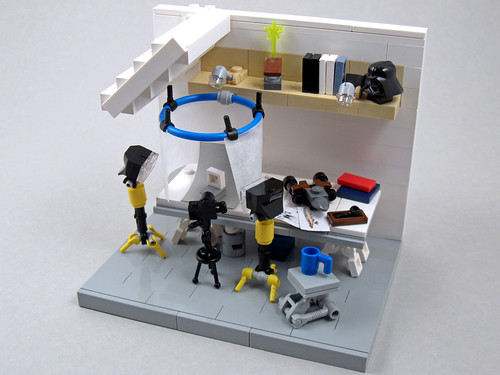
Lego MOC photography by Larry Lars

photo credit: here


It seems like everyone has a digital camera these days and digital cameras have revived the art of photography as a hobby. As digital camera manufacturers improve equipment in quality and price, more people are embracing the benefits of digital photography and putting their film cameras on the shelf. If you're looking to make the move to a digital understanding the basics of a digital camera can help guide you through understanding how the differences and similarities with film cameras can provide you with a digital camera that fits your needs.

My first digital camera has a 640 by 480 pixel resolution and saved images to floppy disks. It was a little clunky, but it worked well and I was happy with the results. Today, the quality of that camera would barely qualify as a web cam for some people. The technology curve continues to move along for digital cameras but today most digital cameras should be able to provide you with a simple "point and click" experience and provide enough resolution to print 4 by 6 inch prints that you'll be happy to archive in a scrapbook.

The resolution of most digital cameras is measured today in "mega pixels." This is a measure of the number of dots which are available to digitally describe the image as a computer file. A digital camera with a 3.1 mega pixel resolution is usually enough to produce pictures that look like a film print on a 4 by 6 print. Moving up to a digital camera with a 5.1 mega pixel resolution will provide a sharper image at the same print size. Can everyone tell the difference? No they can't. When shopping for a camera, don't be mesmerized by claims that you must have the very highest resolution to be happy with your digital pictures. Look at samples and select the camera that meets your price range and quality desires.

Generally, digital cameras with a resolution lower than 1 mega pixel are good for images you plan on emailing to people, or posting on the web, but the resolution is not high enough for quality prints. If you plan on making film-style prints of your pictures, you should make your minimum 3.1 mega pixels.

The next issue with digital cameras is how it gets the electricity it needs to function. Many cameras today use rechargeable batteries but some still use AA size batteries. If you plan on taking lots of pictures, a camera that uses disposable batteries can become a very expensive camera, but if the camera has a rechargeable battery with a short life between charges, you might find yourself without power when a great photo opportunity presents itself or you may be stuck buying an extra, and often expensive, rechargeable battery which is custom designed to only fit that specific camera. When you have made you short list of digital cameras meeting your quality requirements, be sure to compare battery life statistics from the manufacturer.

As with film cameras, most digital cameras have automatic settings that adjust to provide a "point and shoot" experience. Some cameras also have manual settings which mimic advanced film camera settings such as aperture and exposure. Digital cameras often have additional features which allow for special effects and even picture taking in very low light settings. These features may or may not be important to you in a digital camera. How often did you load black and white film in your film camera? Chances are these nice-to-have features are not a high priority for most digital camera owners.

Most of the digital cameras feature an LCD view screen. This lets you shoot the image perfectly and then to check it. and is probably one of the most appreciated features of a digital camera over a film camera. The LCD does use up electricity though and by turning your camera off when you are not shooting pictures will preserve battery life.

Most digital cameras use a removable memory card on which pictures are stored. If you have a computer with a built-in reader of a memory card, checking to see if the digital camera uses a compatible type of memory card can make it much easier for you to transfer images to your PC and reduce the expensive of a separate memory card reader. If your digital camera comes with a data transfer cable, keep in mind that the memory card readers are usually much faster and provide greater flexibility. It's best to keep the data transfer cable in the box.

Overall, most digital camera manufacturers have done an excellent job in making the transition from film cameras to digital cameras a painless one. By knowing some small details about the minor differences, you should have no problem finding a digital camera that you will enjoy and use frequently.


Digital Photography: Healthy Daily Tips


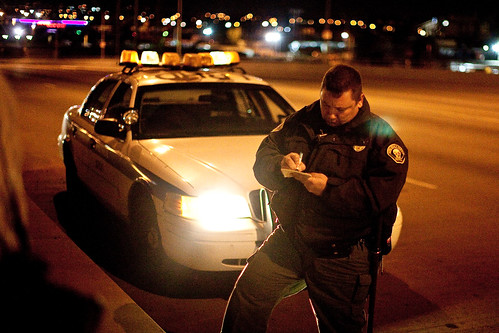
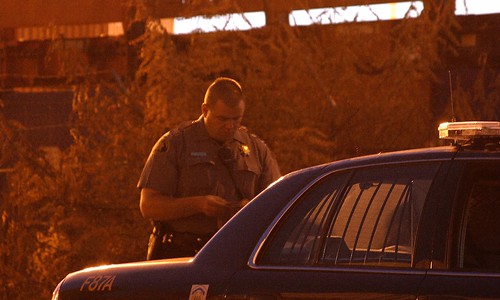
Long Beach Harbor Patrol Say No Photography From a Public Sidewalk by Thomas Hawk

photo credit: here


Compact digital cameras are such a craze today that almost every household has one.
The popularity of digital cameras has in fact overshadowed to near extinction the
use of cameras with films. But what is it about digital cameras that make even
the professional users go gaga over it?

Digital cameras may cost more than the ordinary camera but it is cost effective in the long term. Unlike ordinary cameras, digital cameras operate without expensive films. The photos can be stored in the user's computer, or he can save it in a disc or have it printed in photo paper. It is said to be a good investment not only because it does capture memories, but also it allows the user to save on film expenses.

The mad rush for compact digital cameras has begun and even those who could not afford to buy one are saving for that precious digital camera. To make it a good investment, buyers of digital cameras should make sure they know what they are buying and that they are buying the digital camera that best fits their requirements.

Neophyte digital camera users believe that the higher the pixel of the camera, the better for them. The truth is, a digital camera's pixel is only as good as the user's requirements. It means choose a digital camera pixel depending on your needs and not just for the sake of buying a digital camera with high pixel.

Before considering the type of digital camera you need, it is practical to take note of your budget or allowance allotted for buying the camera. Digital camera makers come up with new models every six months that digital cameras that are highly priced before now can be more affordable for you later on.

Choosing a digital camera brand really depends on the preference of the user. There are brands that are highly priced because they are popular and the manufacturers have spent millions for advertisements. Good reviews will also depend on the preferences of the camera reviewers so better stick to the basic requirements of a good camera. Sometimes, buyers opt for well-known brands that have been in the camera business for a long time to make sure they are buying quality digital cameras.

Prospective buyers of digital cameras should be patient in reading the guide or manual because unlike the ordinary camera, digital cameras are a bit complicated to use the first time. It gets easier though once you get the hang of it.

When choosing which digital camera, take note of the optical zoom and not the digital zoom because the former does the real zooming. As to the matter of mega pixels, the higher the pixels, the more expensive it gets. However, if you just need to print your photos in small sizes, you do not need the higher mega pixels. When using digital cameras with the intention of printing your photos, it is ideal to choose the highest resolution but this will also mean each shot will require more memory storage. You also have to know that digital cameras come with software that will allow users to adjust the sizes of the photos. However, it is always best to change a higher resolution shot to lower resolution than the reverse because it has a tendency to become pixelized and the image will become blurred.

Whatever model of digital camera you choose, make sure it is appropriate for your requirements. If you are an amateur, start with a digital camera that has the basic requirements and a lower mega pixel so it will be affordable for you.


Digital Photography: Healthy Wealthy


Linda Higgins Model Venice 5-03-2009 025 Daniel Beaman Photography Los Angeles Hotter by DanielBeamanAmericanPhotographer

photo credit: here


One of the most wished for items or gifts this Christmas are digital cameras. And why not, when the digital cameras today are sleek, stylish gadgets that will allow someone to capture moments in time and keep them forever? If you're thinking of getting someone this special gift, then you better do some research first. Below is a list of the Top 10 Digital cameras - Christmas gifts for 2008. Hopefully it will help you crop your choices when buying a digital camera as a gift. Good luck!

1. Canon PowerShot A590IS 8MP Digital Camera with 4x Optical Image Stabilized Zoom - this beauty right here can capture images with such detail that they can be used in making 16x22 inch prints. The 8MP CCD is one of the best in the market. Add to that a 4x optical zoom with Image Stability, Face Detection Mode, and an Easy Mode for beginners, and you've got a great digital camera for a perfect Christmas gift.

2. Canon PowerShot SD1100IS 8MP Digital Camera with 3x Optical Image Stabilized Zoom (Blue) - another 8MP digital camera from Canon, this one comes in a stylish blue color. The same features are present, with the additional Motion Detection technology to reduce blur. Another great addition from Canon.

3. Canon PowerShot SD790IS 10MP Digital Camera with 3x Optical Image Stabilized Zoom - the beauty of this digital camera comes with the fact that it is perfectly designed. But beauty is not all that it has. Its astounding 10MP CCD can capture images for poster prints, and it has Face Detection, Motion Detection, and Image Stabilizer technologies to boot.

4. Canon PowerShot SD1100IS 8MP Digital Camera with 3x Optical Image Stabilized Zoom (Silver) - the fourth placer in the list of the Top 10 Digital cameras - christmas gifts for 2008 is another Canon digital camera. It's the same SD1100IS digital camera but it comes in a silver color which would appeal to your friend who likes the sleek, silver design. All the features are unchanged, of course.

5. Canon Digital Rebel XSi 12.2 MP Digital SLR Camera with EF-S 18-55mm f/3.5-5.6 IS Lens (Black) - this digital SLR camera is perfect for those friends of yours who are serious about their photography, but at the same time, wants the ease of use of a digital camera. Equipped with a 12.2 CMOS sensor, a huge 3.0 Inch LCD display, and powerful lenses, this digital SLR camera is the perfect choice.

6. Kodak EasyShare C713 7MP Digital Camera (Pink) -Kodak's offering is at number 6 in this list of the Top 10 Digital cameras - christmas gifts for 2008 . This digital camera is definitely an eye-catcher with its pink design. However, it's not just all looks for this one. It also comes with a 7MP resolution and a 3x optical zoom. It can also take VGA videos with audio. It's a fun, stylish camera for your fun and stylish friend!

7. Canon Powershot SX10IS 10MP Digital Camera with 20x Wide Angle Optical Image Stabilized Zoom - the 10.0 MP resolution alone is great. Add to that a 20x Optical Zoom with Image Stabilizer and a movie mode, and you've got a great multi-purpose camera for your loved one.

8. Canon PowerShot SD880IS 10MP Digital Camera with 4x Wide Angle Optical Image Stabilized Zoom (Silver) - Canon proves itself as the leader in the digital camera range once again. This time, it's this 10 MP beauty with Image Stabilization and Face Detection that has garnered a spot in our list. It's a great point and shoot camera with a lot of special features that would make your friend fall in love with it.

9. Canon PowerShot SD1100IS 8MP Digital Camera with 3x Optical Image Stabilized Zoom (Pink) - this pink version of the SD1100IS digital camera is great for the sophisticated ladies. It's classy, it's elegant, and most of all, it doesn't lack in any of the features that all the other Canon SD1100IS digital cameras have. In one word, it's perfection.

10. Canon PowerShot SD770IS 10MP Digital Camera with 3x Optical Image Stabilized Zoom (Silver) - the last in our list of the Top 10 Digital cameras - christmas gifts for 2008 is another Canon camera. You could never go wrong with this one. It has everything that the higher versions have (SD1100IS and SD880IS, for example) except that it doesn't have the Wide Angle option. Still, it's a great camera for your friend or family who's just starting to love photography!


Digital Photography: Great Ways To Live


Photography is Prohibited by Khaled A.K

photo credit: here


It seems like everyone has a digital camera these days and digital cameras have revived the art of photography as a hobby. As digital camera manufacturers improve equipment in quality and price, more people are embracing the benefits of digital photography and putting their film cameras on the shelf. If you're looking to make the move to a digital understanding the basics of a digital camera can help guide you through understanding how the differences and similarities with film cameras can provide you with a digital camera that fits your needs.

My first digital camera has a 640 by 480 pixel resolution and saved images to floppy disks. It was a little clunky, but it worked well and I was happy with the results. Today, the quality of that camera would barely qualify as a web cam for some people. The technology curve continues to move along for digital cameras but today most digital cameras should be able to provide you with a simple "point and click" experience and provide enough resolution to print 4 by 6 inch prints that you'll be happy to archive in a scrapbook.

The resolution of most digital cameras is measured today in "mega pixels." This is a measure of the number of dots which are available to digitally describe the image as a computer file. A digital camera with a 3.1 mega pixel resolution is usually enough to produce pictures that look like a film print on a 4 by 6 print. Moving up to a digital camera with a 5.1 mega pixel resolution will provide a sharper image at the same print size. Can everyone tell the difference? No they can't. When shopping for a camera, don't be mesmerized by claims that you must have the very highest resolution to be happy with your digital pictures. Look at samples and select the camera that meets your price range and quality desires.

Generally, digital cameras with a resolution lower than 1 mega pixel are good for images you plan on emailing to people, or posting on the web, but the resolution is not high enough for quality prints. If you plan on making film-style prints of your pictures, you should make your minimum 3.1 mega pixels.

The next issue with digital cameras is how it gets the electricity it needs to function. Many cameras today use rechargeable batteries but some still use AA size batteries. If you plan on taking lots of pictures, a camera that uses disposable batteries can become a very expensive camera, but if the camera has a rechargeable battery with a short life between charges, you might find yourself without power when a great photo opportunity presents itself or you may be stuck buying an extra, and often expensive, rechargeable battery which is custom designed to only fit that specific camera. When you have made you short list of digital cameras meeting your quality requirements, be sure to compare battery life statistics from the manufacturer.

As with film cameras, most digital cameras have automatic settings that adjust to provide a "point and shoot" experience. Some cameras also have manual settings which mimic advanced film camera settings such as aperture and exposure. Digital cameras often have additional features which allow for special effects and even picture taking in very low light settings. These features may or may not be important to you in a digital camera. How often did you load black and white film in your film camera? Chances are these nice-to-have features are not a high priority for most digital camera owners.

Most of the digital cameras feature an LCD view screen. This lets you shoot the image perfectly and then to check it. and is probably one of the most appreciated features of a digital camera over a film camera. The LCD does use up electricity though and by turning your camera off when you are not shooting pictures will preserve battery life.

Most digital cameras use a removable memory card on which pictures are stored. If you have a computer with a built-in reader of a memory card, checking to see if the digital camera uses a compatible type of memory card can make it much easier for you to transfer images to your PC and reduce the expensive of a separate memory card reader. If your digital camera comes with a data transfer cable, keep in mind that the memory card readers are usually much faster and provide greater flexibility. It's best to keep the data transfer cable in the box.

Overall, most digital camera manufacturers have done an excellent job in making the transition from film cameras to digital cameras a painless one. By knowing some small details about the minor differences, you should have no problem finding a digital camera that you will enjoy and use frequently.


Digital Photography: Best Health


Red Covered Bridge in Winter near Wakefield, QC - Kite Aerial Photography, KAP by Rob Huntley

photo credit: here


The digital camera market today offers buyers a large number of choices, with products in widely differing price ranges, sizes and degree of operational complexity. From miniatures the size of a credit card, to fully functional professional SLR (Single Lens reflex) systems, you can buy a digital camera from manufacturers including traditional camera brands such as Canon, Olympus, Nikon, film companies such as Kodak and Fuji, and consumer electronic companies like Sony. Then there are other options that include the mobile phone manufacturers, and webcam suppliers.

The advantages of digital photography are numerous. Topmost is the fact that there is no film processing: expensive both in cost and time. But there is also the advantage of smaller sized equipment, portable media and instant picture viewing. And if you don't like what you see, you simply delete it and shoot again: no wastage.

If you like to take pictures, being a digital photographer makes a lot of sense. But which camera is the best one for you? In a field of excess abundance, how do you narrow down what you need? How much to pay? How many megapixels? (What are they anyway?) Which brand? How much memory?

Digital CamerasEvery shopper is different.

At MyShopping.com.au we recognise this fact, and so we list practically all brands and models from hundreds of suppliers. These listings include the cold hard digital data facts about each camera and a range of comparative pricings offered by different suppliers. But just as every shopper is different, every photographer is different too. And just having the facts may not make you feel any more knowledgeable about which camera is right for you.

You could begin with the question: What sort of pictures will you take with your new digital camera? This is a valid starting point because from here you can begin to qualify your requirements in terms of technical capability and price. What sort of pictures will you take with your new digital camera?

Is it simply for happy snaps whenever you get together with friends and family at weekends and holidays? Or are you a serious bird watcher and you want to capture nature at its finest? Perhaps you want a camera for work to record your inventory, or recording information from a client. Maybe you're a PI on a mission. The point is, you need to begin by recognising that your reason for buying a digital camera may not be the same as that of your best friend who is recommending the model she bought.

Once you've figured out the sort of pictures you are going to take, you can then set about deciding on the type of camera that will meet your needs. If you need something highly portable that fits in your shirt pocket or your handbag and lets you take it anywhere you go, make size a big consideration. If you want to take seriously good photographs, and you want to pursue an artistic endeavour, make image flexibility your main concern.

It might also be worthwhile considering your own position in the digital photography experience. Are you a novice about to buy your first camera, do you have some intermediate experience, or are you an advanced user?

Someone new to the market will likely not want to spend a lot of money, nor have a lot of mind-boggling features that leave you confused. There are cameras ideal for beginning users that have basic 'point and shoot' features including optical and digital zoom lens, flexible storage media and built in flash. There is a huge range of cameras available with simple features at low cost.

If you consider yourself an intermediate user with some operational knowledge of digital camera technology, you may want to consider more advanced features that give you more control over the pictures you take. These features usually come in a range of automatic settings and manual settings for capturing the image and different storage options in terms of resolution and picture type (raw data, jpeg, tiff). Naturally there is some cost attached to additional features when compared to more basic cameras.

For advanced users, there are a lot of professional options you can consider; such as SLR view finding and lens interchange ability. Cameras in this range provide much greater control over the image, both before and once it is captured. These options include shutter speed and aperture adjustment, and many cameras offer the ability to manipulate images 'in camera', such as cropping, and brightness and contrast adjustments.

After the picture is taken

A further main consideration is what are you going to do with your images once you have them? The great beauty of digital photography is the simple fact that you can store them on digital media such as CDs and media cards, and view them on computer screens and in many cases, your television. You need print only when and those you want to see, or show to others. Digital photography also gives fantastic opportunities to manipulate your images using popular image manipulation programs, resizing them, altering brightness and contrast characteristics, and correcting problems such as red eye, or removing skin blemishes.

Most digital cameras are computer ready, able to plug directly into your PC or Mac using USB connectors. They usually include proprietary software allowing you to easily and instantly manage your image files in photo albums or slide shows. Many digital cameras also include a video capture facility enabling you to take short motion pictures.

What you want to do with your images after you have them can have an impact on your choice of camera. If you want to make enlarged prints for example, you will want a high megapixel capacity (also talked about as 'resolution'). If you want images for website use, you will want to get the best quality images that can be reduced in resolution without severe degradation.

Beauty is in the "I"

Great pictures usually come from great conditions. You capture a great moment, the light is just right, the subject is at the perfect distance, the image is perfectly framed. But not every digital camera offers the flexibility to make the best of existing light conditions, or position. Most digital cameras (certainly at the budget end) come with a built in automatic flash, which is terrific for happy snaps in darkened environments. And the automatic flash automatically does not 'go off' in bright sunny conditions. But in those times when you want to use the existing light, you need a camera that gives you manual control over the operation or not, of the flash.

Moreover, most digital cameras in the lower and medium price ranges are highly automated. If you are moving from a traditional SLR film camera where you have maximum control over shutter speed, aperture and ISO speeds, it may be frustrating to not have easy access to the same range of tools to take advantage of existing light conditions.

In the more advanced (and therefore more expensive) range of digital cameras, most lens and aperture functions are available in exactly the same way as other SLR systems. What differs is how the colours and light of the image is translated through pixel capture compared to the chemical processing systems.

You may want a wide range of focus options. Most digital cameras have two different types of image magnification, lens magnification (zoom) that may be equivalent of a 35mm to 150 mm lens, and a digital magnification that may be to ten-fold (expressed as x10). This provides you with zoom lens capability, which may be limited in its depth of field control and is subject to soft focus and movement if the conditions aren't just right, and a digital magnification of the pixel image. If being able to capture magnified distant images is important to you, you need more megapixels, and a lens system that gives you some control over its focus and aperture management.

A final word on accessory

Digital cameras are electronic equipment. That means they run on batteries, and if you use your camera a lot, you will find that you will be frequently replacing batteries. Some cameras have rechargeable batteries; others simply use dry cells (AA), which you can of course load with rechargeable ones. It pays to have spare batteries so that you always have a charged power source. Some cameras have docking stations to help manage the connection with computers. Many digital SLR cameras have interchangeable lens systems, some of which may be compatible with traditional film SLRs.

You can also print your own pictures at home with special printers that handle standard photograph paper, and connect directly to your camera. Although it may be less expensive to simply take your camera's card, or a CD to your local camera store, and now many supermarkets and department stores, and use the automatic printing machines to print the images you want.

There is a lot you can do with a digital camera, and you can pay les than $200, or more than $10,000. It all depends on how you see yourself as a photographer, what you're shooting, and what you want to do with your pictures. At Myshopping.com.au you can very quickly compare specifications and prices.